Loading
  • Pinterest
  • Instagram
  • Instagram
  • Twitter
  • Facebook
  • Flickr
  • Rss
  • Reddit
← INTERNATIONAL PORTALS → | LUXURY | DESIGN | TRAVEL | HEALTHCARE | WATCH | CEO | TECH | AGENCY |
Luxury News & Magazines - MyLuxePoint
  • PORTADA
  • MAGAZINES
    • LUXURY
    • WATCHES
    • CEO
    • DESIGN
    • TECHNOLOGY
    • HEALTHCARE
    • TRAVEL
  • POSTREEL
  • CATEGORÍAS
    • ARTE
    • BUSINESS
    • BEAUTY
    • MOTOR
    • MODA
    • COLECCIONISMO
    • DEPORTES
    • GOURMET EXPERIENCE
    • RELOJES
    • JOYERÍA
    • MEDICINA Y SALUD
    • INTERIORISMO ARQUITECTURA
    • EVENTOS
    • FINTECH
    • ESTILO DE VIDA
    • WEDDING
    • TECNOLOGÍA
    • VIAJAR
    • OCIO
    • INFLUENCERS
    • PINLUXURY
    • STREAMING
    • INTERVIU
      • ENTREVISTAS DE LUJO – BUSINESS
      • INFLUENCERS DE LUJO
  • GEODIRECTORY
  • GROUP
    • AGENCY
    • CEO
    • DESIGN
    • TECHNOLOGY
    • HEALTHCARE
    • TRAVEL
    • WATCHES
    • BUSINESS & ALIANCE
    • BUSINESS
    • TV
    • LUXURY
  • CONTACTO
  • Search
  • Menu Menu
Aniversarios, Coches, Concept, HISTORIA, MOTOR

El escudo Porsche es uno de los diseños más famosos de la historia del automóvil y en él cada detalle tiene un gran significado

DIFERENTES PROPUESTAS DE DISEÑO: ASÍ PODRÍA HABER SIDO EL ESCUDO PORSCHE

Sin embargo, a principios de la década de 1960 fue objeto de algunas críticas. En el Archivo de Porsche se conservan algunas propuestas que no lograron superar el corte en su momento.

Algo simple. La palabra “Porsche”, sin más. En 1948 esto era todo lo necesario, según la visión de los pragmáticos creadores de la marca, para definir lo que ahora vemos como un auténtico icono. Cuenta la leyenda que las letras originales de aluminio fueron hechas por un aprendiz con una sierra de calar y se diseñaron para figurar en el Porsche 356 “Nº 1” Roadster que compitió y venció en la carrera de Hofgarten, en Innsbruck, Austria. Pero hoy no reconocemos un Porsche por aquellas letras, sino por su famoso escudo.

Ya en 1951, el Doctor Ottomar Domnick, uno de los primeros apasionados confesos de Porsche, tomó la iniciativa. Lanzó “The Porsche Prize”, un concurso para definir el logotipo que debería representar a la nueva marca. Sin embargo, ninguna de las propuestas presentadas cumplía con los requisitos. Tiempo después, en una cena de negocios en Nueva York a finales de 1951, Max Hoffman habló con Ferry Porsche y rescató aquella idea de diseñar un emblema. Tras esta conversación, en el cuaderno de Ferry aparecía la siguiente nota con fecha 27 de diciembre: “Volante decorado con la palabra ‘Porsche’ y el escudo de Stuttgart o similar”. En 1952, el diseñador Franz Xaver Reimspieß, un talentoso dibujante, creó el diseño decisivo: un caballo encabritado, tomado del escudo de la ciudad de Stuttgart y representado dentro de los contornos de un escudo dorado. Estos elementos, unidos al nombre de Stuttgart en la parte superior, denotaban un claro compromiso con la producción de automóviles en Zuffenhausen. Los colores estatales rojo y negro que lo rodean, así como las astas, son herencia del emblema tradicional de Württemberg-Hohenzollern, con el logotipo Porsche formando un arco protector sobre todo lo demás.

Un escudo que causó sensación

El escudo es una obra de arte compleja, que unifica gran parte de lo que distingue a Porsche. También es una prueba clara de que los proyectos que se llevan a cabo con convicción y salen directamente del corazón pueden tener un gran impacto. A partir de aquel momento, Porsche tenía un logotipo capaz de impresionar no solo en sus vehículos, sino también en membretes, anuncios y publicaciones. No obstante, no estaría exento de controversia.

Para entender lo que significaba un escudo detallado con muchos colores, hay que retroceder en el tiempo. En la década de 1950, la impresión en color todavía era muy costosa y bastante complicada. No todos los impresores tenían máquinas adecuadas ni era fácil crear planchas o establecer marcas de registro con precisión para que todas las formas se colocaran exactamente una encima de la otra. Por lo tanto, crear una imagen o un gráfico claro y nítido sin que la pantalla de impresión se deslizara era complicado. Además, el escudo Porsche no se veía tan elegante como una versión en blanco y negro. Los Gerentes de Ventas de Porsche y la organización de concesionarios también vieron otro problema, que se abordó escribiendo a Porsche y a su Jefe de Publicidad, Hermann Lapper, en 1961: “Los diferentes colores y muchos detalles en su conjunto no proporcionan un efecto visual compacto y coherente en el tráfico rodado”.

a estrella de Mercedes-Benz y el logo de Volkswagen (también obra de Reimspieß) se presentaron como ejemplos de buen diseño. Así que, tras esta apreciación, se crearon nuevos bocetos en colaboración con Hanns Lohrer. Lohrer, artista de gran talento, fue responsable de muchos carteles y anuncios influyentes de Porsche en los años cincuenta y sesenta. Fue un profesional que, como Erich Strenger, otro importante diseñador gráfico de la época, dejó su huella en esta era de Porsche.

Un nuevo diseño

A Hanns Lohrer se le encomendó una tarea muy relevante: crear un nuevo escudo. En principio, se lanzaría con el sucesor del Porsche 356, cuyo proyecto respondía a la denominación interna “Programa T8”. Pero de aquella propuesta no salió nada.¡Totalmente diferentes! Estos fueron algunos de los diseños que se barajaron al principio. La letra “P” siempre estaba presente, a veces en un círculo, otras veces con tipografías cambiantes y dentro de figuras distintas. Desde la perspectiva actual, puede parecer extraño e incluso desconcertante.

Si hoy tenemos conocimiento de estos planes es gracias a la correspondencia del secretario y cronista de Porsche, Ghislain Kaes. Aparte de estos papeles, no se encuentra en el Archivo de Porsche ninguna evidencia de los esfuerzos realizados en ese momento.

Presumiblemente, se tomó la decisión de que el logotipo en uso desde 1952 ya estaba demasiado establecido como para considerar buena idea un cambio repentino de dirección en el diseño. Pero esto es solo una conjetura. Ferry Porsche planteó este argumento una vez cuando Ottomar Domnick le sugirió que, con su caballo, el escudo Porsche se parecía demasiado al logotipo de la empresa de carrocerías Reutter. Hoy, se puede decir que es sobre todo una cosa: inequívocamente Porsche. Incluso en su sexta evolución.

24 July, 2023/by Jackson Thompson
https://www.myluxepoint.com/wp-content/uploads/2023/07/HAV2868_vergrossert.jpg 812 457 Jackson Thompson https://www.myluxepoint.com/wp-content/uploads/2017/11/logo2v-1.png Jackson Thompson2023-07-24 12:09:372023-07-24 12:10:10El escudo Porsche es uno de los diseños más famosos de la historia del automóvil y en él cada detalle tiene un gran significado
Aniversarios, Coches, Concept, Eléctrico, Hypercar, MOTOR, Superdeportivos

ALL-NEW AEHRATM SEDAN BRINGS SUPERCAR LEVELS OF DESIGN AND TECHNOLOGY TO THE PASSENGER CAR SECTOR

●       Ultra premium electric automotive brand AEHRA reveals design of its second model, a Sedan

●       AEHRA uniquely unlocks complete freedom afforded by state-of-the-art EV technology to set ground-breaking standards for automotive design 

●       Project led by AEHRA Chief Design Officer, Filippo Perini, a symbol of Italian automotive design

●       Customer deliveries of both AEHRA SUV and Sedan expected by 2026

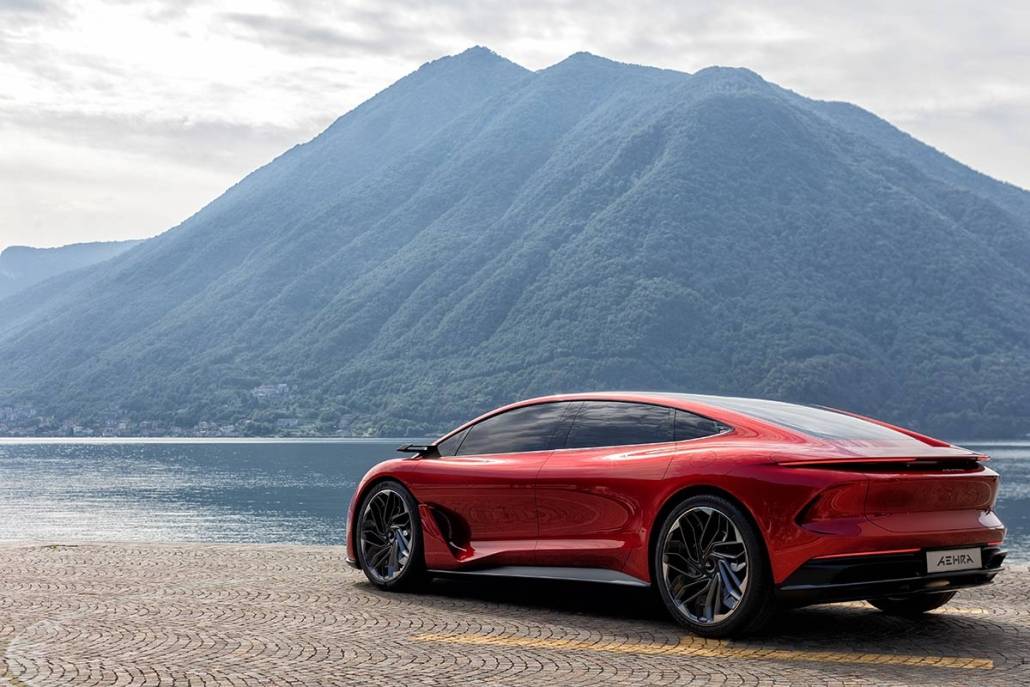
Milan, 16 June 2023 – AEHRA, the new global ultra-premium electric automotive brand, has today revealed the exterior design of its second ground-breaking model, a sinuously styled Sedan.  Presented to the international media at the Milano Monza Motor Show today, the AEHRA Sedan follows swiftly on from the brand’s first model, an SUV presented late last year. 

Based on the same highly flexible ultra-advanced EV platform as the AEHRA SUV, the AEHRA Sedan was conceived in tandem with its sibling without compromise.  And while the new model shares the same design language and body surface treatment as the SUV, it is quite different in character thanks to unique graphic signatures at the front and the rear of the car. 

A shape inspired by centuries of Italian design and purity of expression

AEHRA’s soft, simple, uncomplicated design language is expressed in the new Sedan to stunning effect. From the side, the car features just one uninterrupted fluid line.  The brand’s design team resolutely shunned the need to create numerous edges within the body and, instead, amplified the new model’s character through the use of reflection, with the body divided by light and shadow.

The brand has used a similar ‘division’ approach to express other elements of the Sedan’s character, and this approach is particularly evident at the front of the vehicle. Here, technical elements, such as the active aerodynamic and cooling elements, are amalgamated in the lower section of the car. Combined with a bespoke battery solution developed in partnership with Miba Battery Systems, the AEHRA Sedan and SUV are designed and engineered to deliver optimum efficiency and target an 800km driving range.

By contrast to the more technical lower section, the top portion of the car represents a much cleaner, purer shape, and one that flows elegantly all the way from the hood to the windscreen and up and over the roofline. The crafting of this very fluid shape drew inspiration in part from the aeronautic sector, and it exudes a sheer sense of the AEHRA Sedan gliding effortlessly through the air with great efficiency, even when it is parked and not moving.  

“With the AEHRA Sedan, we have had the boldness to go even further and fully exploit the exceptional design freedom born out of our founder Hazim Nada’s philosophy and vision, and AEHRA’s ground-breaking use of only the most advanced technologies that the global automotive and aeronautic industries have to offer,” explains Filippo Perini, AEHRA Head of Design.  

“The design of the AEHRA Sedan is inspired by numerous sources. In Italy, it is often said we exist in a living museum. The influence of art and architecture is all around us, and beauty is all around us. A beauty that stems from purity of expression and aesthetic functionality.”

“For centuries, Italian architects, artists and designers have been inspired by the pursuit of the perfection of proportion. That passion and discipline are evident in every line and detail of the AEHRA Sedan. Adhering to AEHRA’s doctrine that form must always follow function; the Sedan is the anthesis to baroque design culture. Devoid of unnecessary adornments, yet alive with emotion, the AEHRA Sedan represents a new standard of natural beauty for zero-emission ultra-premium mobility.”

Balance and proportion for a new era of ultra-premium, zero-emission mobility

While the car expresses copious beauty, elegance, and agility, it also conveys an inescapable essence of power, dynamism, and energy, achieved by AEHRA’s unrelenting pursuit of balance and proportion. The AEHRA Sedan’s sense of superior strength comes predominantly from the rippling muscular effect of the front and rear fenders. These almost animal-like features convey that while the AEHRA Sedan is a car designed and engineered for a new era of ultra-premium, zero-emission mobility, pure passion, and sheer driving pleasure reside firmly at its core.

In the Sedan, like in the SUV, AEHRA’s unflinching determination to deliver a seismic shift across the automotive customer experience, and transform the EV mobility ecosystem, encompasses the use of ultra-advanced, exceptionally light, highly sustainable composite materials, including forged carbon fiber technologies. 

Typically the exclusive preserve of the supercar and hypercar sector, these materials enable AEHRA to push the boundaries of technical design far beyond anything yet seen in the passenger car sector. They empower the brand to encompass ground-breaking features such as the double-falcon doors, which feature on both the SUV and the Sedan. Opening upwards, they blend a stunning visual statement with exceptional practicality to provide effortless ingress and egress.

“The debut of the AEHRA Sedan, just eight months after we revealed our first SUV model and the recent announcement of our partnership with Miba Battery Systems, confirms that AEHRA remains firmly on track in its strategic mission to deliver a step-change in the design, customer, and ownership experience of ultra-premium electric vehicles,” commented AEHRA Co-Founder, Chairman and Chief Executive Officer, Hazim Nada. 

“The first customer deliveries of the AEHRA Sedan and AEHRA SUV will commence by 2026. And when the final production variants take to the road, they will look virtually identical to the models we have revealed, ensuring no compromise on our promise to combine an extraordinary driving and ownership experience with exceptional design and technology.” 

With substantial private funding in place, AEHRA has established a clear roadmap to deliver its unique, transformative business model. A strategic model roll out is planned for key markets in 2026, including North America and Europe, with China and the Gulf States to follow.

For more information on AEHRA and to register interest in one of their forthcoming models, see www.AEHRA.com.

ABOUT AEHRA

AEHRA has been created to deliver a step-change in the design, customer, and ownership experience of ultra-premium electric vehicles (EVs). Headquartered in Milan, AEHRA is a privately funded global company that disrupts the existing automotive ecosystem by distilling the values of Italian design, world-class engineering, and American customer service to leverage the advantages of next-generation EV powertrain packaging and technology.

17 June, 2023/by Jackson Thompson
https://www.myluxepoint.com/wp-content/uploads/2023/06/AehraSedan8.jpg 800 1200 Jackson Thompson https://www.myluxepoint.com/wp-content/uploads/2017/11/logo2v-1.png Jackson Thompson2023-06-17 15:09:492023-06-17 15:10:23ALL-NEW AEHRATM SEDAN BRINGS SUPERCAR LEVELS OF DESIGN AND TECHNOLOGY TO THE PASSENGER CAR SECTOR
Aniversarios, Coches, DESTACADOS, Especial, EVENTOS, Ferias, MOTOR, Salón, Superdeportivos

Chopard at the 1000 Miglia 2023

The Maison’s 36th appearance as world sponsor and official timekeeper

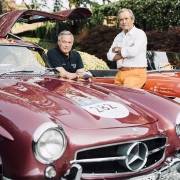
Chopard is proud to return to Brescia for the 36th time in succession as the World Sponsor and Official Timekeeper of the 1000 Miglia – otherwise known as ‘the most beautiful race in the world’. The partnership represents one of the longest in history between a watchmaker and an automobile event, signifying Chopard’s well known love of classic cars and its passion for motorsport. That passion is further confirmed by the fact that 2023 marks the 35th occasion that Chopard co-president Karl-Friedrich Scheufele will compete in the race from Brescia to Rome and back, having first taken part in 1989 with six-times Le Mans 24 Hours winner Jacky Ickx in the navigator’s seat. The pair will team-up again this year (as on more than a dozen previous occasions), once more tackling the gruelling course in the instantly recognisable  ‘metallic raspberry’ Mercedes-Benz 300SL Gullwing in which they made their 1000 Miglia debut. And, of course, Chopard will continue its tradition of introducing new Mille Miglia timepieces, with four Mille Miglia Classic Chronographs, plus an additional, very special ‘Italian Limited Edition’ of the Mille Miglia GTS Chronograph – some of the proceeds from which will be donated to victims of the recent Emilia-Romagna flood disaster.

A new route, a new city – and an extra day

The 1000 Miglia was first run in 1927 but – in keeping with its reputation for never growing old – this year’s event features a new route and will be run over the course of five days rather than the usual four. For the first time the race will incorporate a section from Parma to Milan, a city never before included in the 1000 Miglia and the location from which the 405 starters will make their home run to Brescia on the final day (Saturday, June 17th). 

In between, the course takes them in a clockwise direction, with day one ending in an overnight stop on the coast at Cervio-Milano Marittima. An early start on Wednesday sends the group to the tiny, hilltop republic of San Marino (the fifth smallest country in the world) and up to 300 metres above sea level for a lunch break in Macerata, a town renowned for its striking palazzos and annual opera festival. The day finishes in Rome when the cars will parade around the city, followed by a dawn start on Thursday for the six-hour run to lunch in Siena (scene of the historic Palio horse race).

After tackling the famous Abertone Pass – frequently used by Ferrari’s test drivers – the crews end-up in Parma where they spend the night before heading out on Friday morning to begin the ‘home run,’ stopping at Piacenza military airport to mark the centenary of the Aeronautica Militare Italiana. After lunch in Alessandria and a further five hours on the road, the competitors will check-in at the new Milan time control point before dinner and a well-earned night’s rest.

A civilised 8am start on Saturday marks the beginning of the final 100 kilometres of the course, which will take the surviving cars back to the finish at Brescia where they will parade along the tree-lined Viale Venezia.

Two cars compete for Team Chopard

In addition to the Mercedes 300SL Gullwing crewed by Karl-Friedrich Scheufele and Jacky Ickx, Chopard Ambassadors Zhu Yilong, the acclaimed Chinese actor, and Romain Dumas, the celebrated endurance racing driver, will also compete under the ‘Team Chopard’ banner in a 1955 Porsche 356 Speedster.

Mille-Miglia-GTS-Chrono-Limited-Edition-Italy-2023

A pre-start dinner in a stunning setting

But before the flag drops to wave the first car off the Brescia start ramp on Tuesday (June 13th), Karl-Friedrich Scheufele will host a special welcome dinner at the beautiful and historic L’Albereta hotel, just 20km from Brescia and close to the shores of Lake Iseo within the breathtakingly beautiful Lombardy countryside. Here, guests will discover the new Mille Miglia Classic Chronograph collection that celebrates this year’s race – maintaining Chopard’s tradition of creating an all-new, dedicated design that has prevailed each year since 1988.

The 2023 Mille Miglia watches – the tradition continues

Comprising four new models crafted in Chopard’s exclusive Lucent Steel™ (50 per cent more resilient than regular steel and incorporating material recycled from the medical, aerospace, car and watch industries), the 40mm chronographs are fitted either with the Maison’s signature rubber strap based on the pattern of a ‘60s Dunlop race tyre or a rich brown calfskin leather strap evoking traditional driving gloves.

What makes this year’s Mille Miglia Classic Chronographs extra-special, however, are their dials: each of the four variations is based on the paint hues and interior finishes typically found on the type of pre-1957 cars that are eligible for the 1000 Miglia. That means a choice of Rosso Amarena (cherry red), Grigio-Blu (grey blue), Verde Chiaro (light green) and Nero Corsa (racing black). In keeping with a 36-year tradition, each watch carries a miniature ‘1000 Miglia’ route marker on its dial and case back.

In addition to the Mille Miglia Classic Chronographs, Chopard has also produced a very special version of its larger Mille Miglia GTS Chrono. Being made from Lucent Steel™ in just 100 examples, part of the proceeds from each sale will be donated to victims of the devastating floods that swept through the Emilia-Romagna region in early May. This 44mm edition carries the green and red colours of Italy, with its olive green bezel featuring a tachymeter scale for speed and distance calculations. Further marking-out the ‘form and function’ nature of Chopard’s Mille Miglia watches, the Mille Miglia GTS Chrono Limited Edition Italy is also fitted with substantial ‘mushroom’ pushers and a large diameter crown to provide a firm grip and ease of use while on the road.

Both the Chopard Mille Miglia Classic Chronograph editions and the Mille Miglia GTS Chrono Limited Edition Italy are the prefect watches for anyone taking part in ‘the most beautiful race in the world’ as well as for those who follow it. And whether you are one or the other, we wish you a thrilling but safe journey to the finish.

12 June, 2023/by Carlos
https://www.myluxepoint.com/wp-content/uploads/2023/06/Karl-Friedrich-Scheufele-Jacky-Ickx-before-depart-in-2022.jpg 1200 800 Carlos https://www.myluxepoint.com/wp-content/uploads/2017/11/logo2v-1.png Carlos2023-06-12 12:44:092023-06-12 12:46:23Chopard at the 1000 Miglia 2023
Aniversarios, DESTACADOS, Especial, EVENTOS, MOTOR, MyEvents, Salón

1000 Miglia 2023: A Historic Journey Through Italy’s Automotive Legacy

The 1000 Miglia is a legendary endurance road race that has captivated automotive enthusiasts since its inception in 1927. The event takes place in Italy and covers a distance of approximately 1,000 miles (hence the name) along a scenic route that winds through picturesque Italian towns and landscapes. It has become one of the most prestigious and iconic races in the world, attracting participants and spectators from around the globe.

The history of the 1000 Miglia is rich and storied. Originally conceived as a way to showcase Italy’s growing automotive industry, the race quickly gained popularity and became a symbol of speed, elegance, and technical prowess. The route of the race has undergone several modifications over the years, but it typically starts and ends in the city of Brescia, located in the Lombardy region of northern Italy.

During its early years, the 1000 Miglia featured some of the most renowned drivers and iconic automobiles of the time. Legendary names such as Tazio Nuvolari, Juan Manuel Fangio, and Stirling Moss have all competed in the race, solidifying its status as a premier event in motorsport history. The participating cars were a diverse mix of sports cars, grand touring cars, and prototypes, showcasing the best that the automotive industry had to offer.

However, the original iteration of the 1000 Miglia came to an end in 1957 following a tragic accident that claimed the lives of several spectators. The event was subsequently canceled, but its legacy endured. In 1977, the race was revived as a regularity rally, focusing on historic cars that had participated in the original race. The new format aimed to maintain the spirit and heritage of the original event while emphasizing safety and the preservation of classic automobiles.

Today, the 1000 Miglia attracts participants from all over the world, featuring a diverse range of vintage and classic cars. The entry list includes meticulously restored vehicles from manufacturers such as Alfa Romeo, Ferrari, Porsche, Mercedes-Benz, and many others, all competing for the coveted victory.

The route of the modern 1000 Miglia typically covers a combination of public roads and closed circuits, allowing participants to experience the thrill of driving through Italy’s breathtaking countryside while also providing a controlled environment for competitive stages. The race follows a point-to-point format, with overnight stops in various Italian towns, allowing spectators to get up close and witness the impressive machines and passionate drivers.

Participating in the 1000 Miglia is not only a test of driving skill and endurance but also a celebration of automotive history and craftsmanship. The event brings together like-minded individuals who share a passion for classic cars and the heritage they represent. It offers a unique opportunity to see iconic vehicles in action and experience the timeless allure of vintage motoring.

If you are interested in attending or participating in the 1000 Miglia in 2023, I would recommend staying updated through the official website of the event. They will provide the most accurate and up-to-date information regarding the race schedule, registration process, and any other details you may need. Additionally, following relevant automotive news sources and forums can also provide insights and updates on the upcoming event.

The 1000 Miglia is a truly remarkable event that pays homage to the rich history of automotive racing and showcases the enduring appeal of classic cars. Whether you are a racing enthusiast, a vintage car collector, or simply someone who appreciates the beauty and heritage of automobiles, the 1000 Miglia is an experience that should not be missed.

All the details about 1000 Miglia 2023

LEG 1 – TUESDAY 13 JUNE

After departing from Viale Venezia and coasting Lake Garda, passing through Verona, Ferrara, Lugo and Imola, the convoy will end the first leg in Cervia-Milano Marittima.

LEG 2 – WEDNESDAY 14 JUNE

The second day will feature a passage through San Marino, Senigallia, Macerata with a lunch stop, Fermo and Ascoli Piceno and the final parade in Via Veneto in Rome.

LEG 3 – THURSDAY 15 JUNE

The third leg will ascend from the Capital offering lunch in the spectacular Siena, it will continue to Pistoia, the Abetone Pass, Modena and Reggio Emilia and will finish in Parma.

LEG 4 – FRIDAY 16 JUNE

On the fourth day, after Stradella and Pavia, the Race will reach Piedmont with lunch in Alessandria, then Asti and Vercelli and, via Novara, it will head to downtown Milan, which will host the last night of the Race.

LEG 5 – SATURDAY 17 JUNE

On the fifth day, after saying goodbye to Bergamo, Brescia’s twin city as the Italian Capital of Culture 2023, the 1000 Miglia 2023 will end in Brescia in the late morning with a city circuit before the final passage on the Viale Venezia platform and the closing lunch.

In the evening, the see-you-in-2024 celebration with the Red Arrow’s full evening events, the 1000 Miglia The Night, that will bring the intense week to an end.


Highlights of the latest edition

2 June, 2023/by Jackson Thompson
https://www.myluxepoint.com/wp-content/uploads/2023/06/1000miglia2022-a-tappa3-0036-scaled-e1656579696102.jpg 962 2527 Jackson Thompson https://www.myluxepoint.com/wp-content/uploads/2017/11/logo2v-1.png Jackson Thompson2023-06-02 12:52:522023-06-02 12:54:071000 Miglia 2023: A Historic Journey Through Italy’s Automotive Legacy
Aniversarios, Coches, HISTORIA, MOTOR

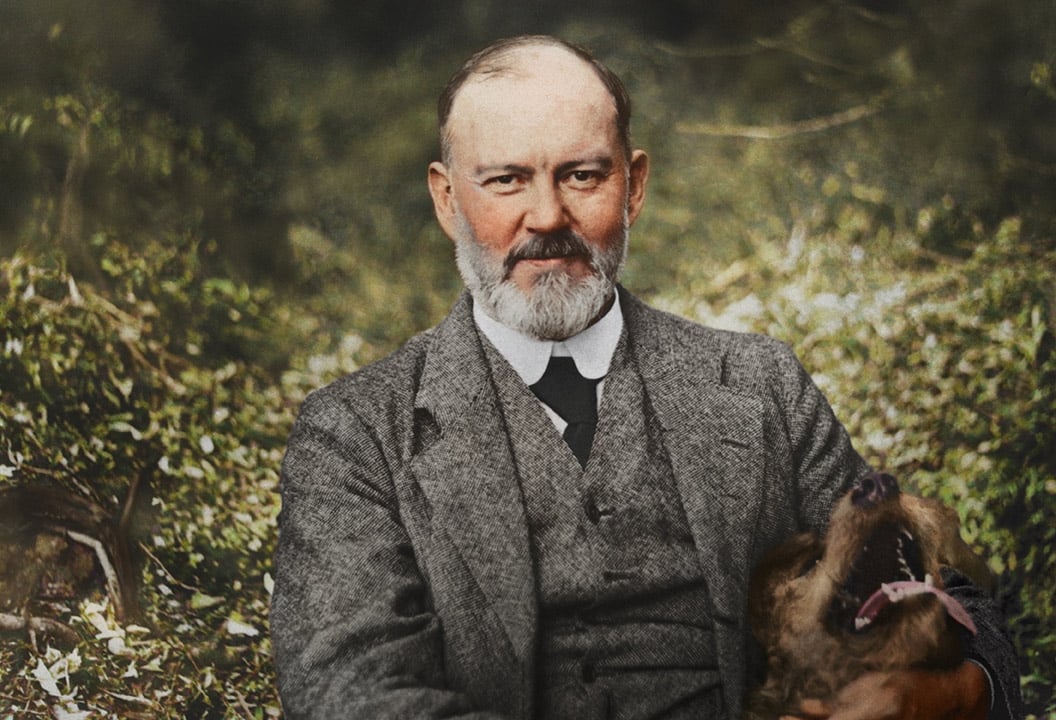
SIR HENRY ROYCE (1863 – 1933): DRIVEN BY PERFECTION

SIR HENRY ROYCE (1863 – 1933): DRIVEN BY PERFECTION

  • Rolls-Royce marks the 160th anniversary of the birth of co-founder Sir Henry Royce
  • A look back at his remarkable life and work reveals a driven, even obsessive character and a relentless work ethic forged in childhood poverty and frequent adversity
  • The quest for perfection extended to every aspect of Royce’s professional and personal life
  • His famous maxim “Strive for perfection in everything you do. Take the best that exists and make it better” still informs and inspires the company’s activities today

“Sir Henry Royce bequeathed to the world an extraordinary legacy of engineering innovation and achievement. He also left us, his successors at Rolls-Royce Motor Cars, an unequivocal instruction: ‘Strive for perfection in everything you do. Take the best that exists and make it better’. Sir Henry himself lived out this maxim in every aspect of his personal and professional life. Today, as we mark the 160th anniversary of his birth, his challenge still informs and inspires everything we do. It serves as a constant reminder that perfection is a moving target: it is never ‘done’. There is always something we can refine, adjust, rework, reinvent or innovate in our pursuit of perfection; and that is what makes our life and work here so exciting.” Torsten Müller-Ötvös, Chief Executive Officer, Rolls-Royce Motor Cars

Sir Henry Royce’s uncompromising command, “Strive for perfection in everything you do. Take the best that exists and make it better” is one of the most famous quotations in automotive history. It is also a maxim that rings down the ages, and still inspires and informs the company that bears his name.

As Rolls-Royce marks the 160th anniversary of Sir Henry’s birth, we look back at his remarkable life and career, in search of the origins of his most celebrated and oft-repeated exhortation. What drove his own lifelong striving for perfection; and how did his relentless, some might say obsessive, desire to improve and refine manifest itself in both his work and domestic spheres?

A LOT TO IMPROVE ON
Royce’s early life was one of hardship, poverty and disadvantage. The youngest of five children, he was born in 1863 into a family in perilous financial circumstances. Matters worsened considerably when his father, a miller, was finally declared bankrupt and, under the law of the time, ended up in prison.

It was against this unpromising backdrop that Royce’s character was formed. Yet he was determined to make a better life for himself, and by the age of just 10 was working in London, first as a newspaper seller and later as a telegram delivery boy.

Things appeared to be moving his way when in 1879, with financial support from his aunt, he secured a coveted apprenticeship at the Great Northern Railway (GNR) workshops in Peterborough. Instantly and obviously in his element, his natural aptitude for design and innate skill with tools and materials quickly become apparent. One early indicator of his talent was a set of three miniature wheelbarrows he made in brass; these pieces clearly demonstrate the exemplary standard of workmanship and quest for excellence he would maintain throughout his life.

VICISSITUDES
Royce’s drive for self-improvement came to an abrupt halt after two years, when his aunt was unable to pay his annual apprenticeship fee. Undaunted, Royce returned to London and, in 1881, began work at the fledgling Electric Lighting & Power Generating Company (EL&PG).

His decision to forsake traditional engineering for the emerging field of electricity was essentially a pragmatic one. Electricity was then so new it had no governing body or professional institutions, and thus no examinations to pass or standards to attain. Unlike in engineering, therefore, Royce’s lack of formal qualifications was no barrier to his progress.

His fascination for the subject, already formidable work ethic and commitment to study (he attended evening classes in English and Mathematics after work) meant that in 1882, the EL&PG, by now renamed the Maxim-Weston Electric Company, sent him to work for its subsidiary in Lancashire as First (Chief) Electrician, responsible for street and theatre lighting in the city of Liverpool. Yet again, however, circumstances conspired against him: through gross mismanagement in its acquisition of patents, the company abruptly went into receivership and Royce, aged only 19, found himself unemployed once more.

TAKING CHARGE
Although the parent company of his erstwhile employer chose to salvage what it could rather than sell off the remaining resources, Royce had had enough. Impelled by his innate drive, clear appetite for (calculated) risk and the abundant self-assurance noted by his contemporaries, he started up in business on his own.

In late 1884, he founded F H Royce & Co (he was christened Frederick Henry) in Manchester. Initially producing small items such as battery-powered door bells, the company progressed to making heavy equipment such as overhead cranes and railway shunting capstans.

But while the business was thriving, Royce himself was not. By 1901, his years of overwork and a strained home life were taking a severe toll on his health, which had probably been fundamentally weakened by the privations of his childhood.

His doctor persuaded him to buy a De Dion quadricycle as a way to escape the office and enjoy some fresh air; but before long, Royce’s health collapsed. A major contributing factor was his growing concern that the company was heading into financial problems; something that would perhaps have had particular significance for him given his father’s experiences.

The company owed its dwindling fortunes to an influx of cheap, or at least cheaper, electrical machinery from Germany and the USA that was able to undercut Royce’s prices. Ever the perfectionist, Royce himself was not prepared to enter a race to the bottom or compromise the quality of his products.

Complete rest was required, and he was eventually persuaded to take a 10-week holiday to visit his wife’s family in South Africa. On the long voyage home, he read ‘The Automobile – its construction and management’. The book would change his life – and ultimately, the world.

MAKING THE BEST BETTER
On his return to England, Royce ­– now fully revitalised both mentally and physically – immediately acquired his first motor car, a 10 H.P. Decauville. Given the still-parlous state of his company’s finances, this might have seemed a frivolous squandering of precious funds; but in fact, this purchase was a shrewd and calculated one that, in his mind, held the key to the company’s future prosperity.

The story usually goes that this first car was so poorly made and unreliable that Royce decided he could do better. In fact, his holiday reading had already focused his mind on producing his own car from scratch; he had already supplied a limited number of electric motors for the ‘Pritchett and Gold’ electric car. So contrary to the received wisdom, he chose the Decauville precisely because it was the finest car available to him, in order to dismantle it and then, in his most famous phrase, “take the best that exists and make it better”.

He began by building three two-cylinder 10 H.P. cars based on the Decauville layout. That he was the only person who believed this new direction could save the company is another sign of his tenacity and self-belief. Just as importantly, his attention to detail in design and manufacture, accompanied by a continuous review of components after analysis, set the production template he would follow until his death.

These first examples were followed by the three-cylinder 15 H.P., four-cylinder 20 H.P. and six-cylinder 30 H.P. – each of which represented significant advances in automotive design. In 1906, two years after the founding of Rolls-Royce, Managing Director Claude Johnson persuaded Royce to adopt a ‘one model’ policy. In response, Royce designed the 40/50 H.P. ‘Silver Ghost’, the car that rightly earned the immortal soubriquet “the best car in the world”.

The Silver Ghost demonstrated Royce’s almost uncanny instinct for using the right materials for components, long before scientific analysis could provide reliable data. He also worked out that the properties of fluids alter with speed, so designed the Silver Ghost’s carburettor with three jets that came into play at different throttle openings, thereby eliminating ‘flat spots’.

HOME AND AWAY
By 1906 it was obvious that Rolls-Royce’s Cooke Street works in Manchester could no longer accommodate the company’s rapidly expanding motor car production. Rolls-Royce acquired a site on Nightingale Road in Derby, where Royce designed and oversaw the building of a brand-new, purpose-built factory. He undertook this enormous and technically complex task on top of his normal workload, and demanded his customary exacting standards from all concerned, not least himself.

Given the relentless volume and pace of his work, Royce’s second serious health crisis in 1911 came as little surprise. Rest was again prescribed, and during the summer and autumn, Johnson drove him on a road trip that extended as far as Egypt. On the return journey, they stopped in the south of France, where Royce took a strong liking for the tiny hamlet of Le Canadel, near Nice. Ever the man of action, Johnson bought a parcel of land and commissioned a new house for Royce, plus a smaller villa for visiting draughtsmen and assistants. Royce himself naturally took a keen interest in the building work, basing himself in a nearby hotel.

His health, however, remained fragile. After a relapse which led to emergency surgery in England, he returned to the now-finished house to recuperate. For the rest of life, he (very sensibly) spent his winters at Le Canadel and the summers in the south of England.

From 1917, his English residence was Elmstead, an 18th-Century house in the village of West Wittering on the Sussex coast, just eight miles from the present-day Home of Rolls-Royce at Goodwood. Elmstead had some adjoining land, where Royce resumed his long-standing interest in fruit farming. Inevitably, he brought his desire for perfection to this activity, too, and he quickly became a leading expert in many aspects of farming and horticulture.

His domestic life at Elmstead throws further light on his perfectionist nature, which focused his attention on even the smallest actions of others. For example, any aspiring cook would be employed only if they boiled potatoes in the ‘right’ way – just as an unfortunate labourer in the Cooke Street works was once admonished and shown how to use a broom correctly.

A REMARKABLE LEGACY
Whether he was designing car components or aircraft engines, Royce’s search for perfection never waned; yet even he acknowledged that it was, in fact, unattainable. His mantra for his drawing-office staff was ‘Rub out, alter, improve, refine’, and that process of constant improvement and development led to some of his greatest engineering achievements. Under his direction, the Buzzard aero engine built in 1927 with an initial output of 825 H.P. was transformed in just four years into the Schneider Trophy-winning ‘R’ engine that, in its final form, was capable of producing 2,783 H.P. And his outline design for a V12 engine would appear almost unaltered in the Phantom III of 1936, three years after his death. An instinctive, intuitive engineer, he was a firm believer that if something looked right, it probably was right. His extraordinary ability to assess components by eye alone proved infallible time and time again.

Royce’s tendency to overwork, often at the expense of his own health, was a symptom of his quest for perfection, and a will to achieve it forged in hardship and adversity. He was a highly driven – some might say obsessive – man who overcame many setbacks and misfortunes, and applied his meticulous engineer’s eye, inquisitive mind and relentless work ethic to every aspect of his life. And such is the power of his ethos and legend, they still inform and inspire the company that bears his name 160 years after his birth.


Rolls-Royce Motor Cars is a wholly-owned subsidiary of the BMW Group and is a completely separate company from Rolls-Royce plc, the manufacturer of aircraft engines and propulsion systems. 2,500 skilled men and women are employed at the Rolls-Royce Motor Cars’ head office and manufacturing plant at Goodwood, West Sussex, the only place in the world where the company’s super-luxury motor cars are hand-built.

FURTHER INFORMATION
You can find all our press releases and press kits, as well as a wide selection of high resolution, downloadable photographs and video footage at our media website, PressClub.
You can also follow marque on social media: LinkedIn; YouTube; Twitter; Instagram; and Facebook.

3 April, 2023/by Jackson Thompson
https://www.myluxepoint.com/wp-content/uploads/2023/04/SIR-HENRY-ROYCE.jpg 720 1056 Jackson Thompson https://www.myluxepoint.com/wp-content/uploads/2017/11/logo2v-1.png Jackson Thompson2023-04-03 19:31:042023-04-03 19:31:04SIR HENRY ROYCE (1863 – 1933): DRIVEN BY PERFECTION
The “Ducati Museum and Automobili Lamborghini Museum Experience” is born
Aniversarios, Coches, Especiales, MOTOR

The “Ducati Museum and Automobili Lamborghini Museum Experience” is born

The “Ducati Museum and Automobili Lamborghini Museum Experience” is born

Museo Ducati e Museo Automobili Lamborghini Experience

The museums of the two Italian excellences of Motor Valley can be visited on the same day

Borgo Panigale, Bologna, March 13, 2023 – Ducati is updating the Borgo Panigale Experience, a path the company has developed for everyone who wants to enter the world of Ducati in Borgo Panigale. Ninety years of history and passion inside the Ducati Museum where, walking between the production lines, you can have the chance to see what goes on within the factory.

With the introduction of new activities, tour methods and partnerships, a new and prestigious collaboration with Automobili Lamborghini is integrated with the aim of offering increasingly enthralling and unforgettable experiences to all enthusiasts.

The “Ducati Museum and Automobili Lamborghini Museum Experience” (from March 25 until May 7) has been designed for all fans and automotive enthusiasts who want to personally experience and discover the motoring talent, creative knowledge and passion of two Motor Valley excellences that export Made in Italy products around the world.

The “Ducati Museum and Automobili Lamborghini Museum Experience” is born

The tailor-made package for the new experience makes it possible to tour both museums in just one day and pay a reduced admission price for the two tickets and a free shuttle bus service that offers rapid, direct museums transfer between Borgo Panigale and Sant’Agata Bolognese.

This opportunity can be benefited only on Saturdays and Sundays and for a group of maximum 15 people, with guided tours led by qualified guides for both museums in both Italian and English on alternating weekends.

To access the Museums at reduced rates and to use the shuttle bus service, booking is mandatory. This can be done either on the Lamborghini website or on the dedicated page of the Ducati website, where the timetables and fares of the experience can also be consulted.

More information on the tour and booking methods are available in the section dedicated to the Borgo Panigale Experience on the Ducati website.

13 March, 2023/by Jackson Thompson
https://www.myluxepoint.com/wp-content/uploads/2023/03/638484.jpg 667 1000 Jackson Thompson https://www.myluxepoint.com/wp-content/uploads/2017/11/logo2v-1.png Jackson Thompson2023-03-13 13:59:502023-03-13 13:59:50The “Ducati Museum and Automobili Lamborghini Museum Experience” is born
Aniversarios, Coches, Especial, EVENTOS, MOTOR, MyEvents, Salón

International Concours of Elegance (ICE) 2023

International Concours of Elegance (ICE) 2023

El Concurso Internacional de Elegancia, o ICE, es un evento creado para celebrar algunos de los automóviles más emocionantes del mundo, todos exhibidos en el hermoso lago St. Moritz.

Qué lujosa es la Engadina

Concurso Internacional de Elegancia

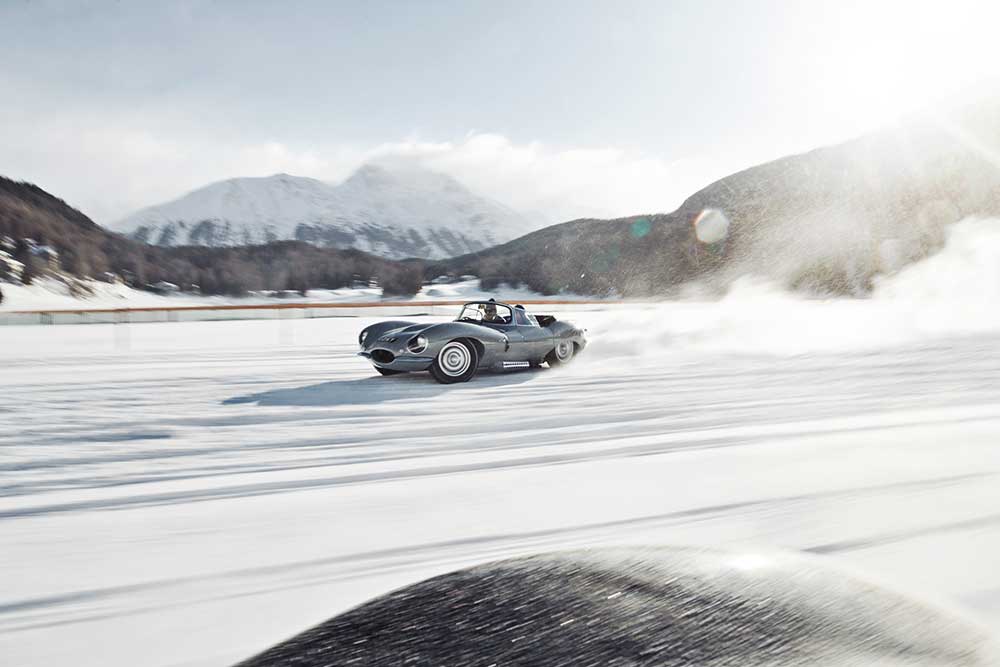
El ICE tiene lugar en el lujoso complejo alpino de St. Moritz. Como parte del evento, las personas conducen, muestran y observan autos extremadamente únicos y elegantes en un lago congelado. Esta opulenta ocasión se completa con el impresionante ambiente por el que St. Moritz es bien conocido.

El programa consta de vueltas en el lago helado, la inspección de los autos por parte de un jurado y el inicio de la “votación popular”, que deciden los coleccionistas. El programa también presenta un pueblo de hielo, un desfile y una sesión de fotos final.

El ICE tiene un elemento de informalidad y espontaneidad, después de todo, se lleva a cabo en un lago congelado. Para el público, ofrece la oportunidad de ver estos increíbles autos en un entorno completamente diferente.

El video de ICE 2022

The ICE 2019 Video

¡Prepárate para conducir!

¿Quieres ver coches únicos en un entorno inolvidable? Dirígete al  sitio web oficial

El evento

Historia

En 1985, un grupo de deportistas escoceses y británicos condujo hasta St. Moritz con sus Vintage Bentley para celebrar el centenario de Cresta Run. Parte de la celebración se llevó a cabo conduciendo sus autos alrededor de la pista de carreras de caballos sobre el lago helado de St.Moritz.

Entre los atónitos espectadores estaba nuestro Fundador y Patrono, Marco Makaus, y esta escena disparó su imaginación y siguió ardiendo durante muchos años.

Se llevó a cabo una edición de prueba en 2019, y el concepto y el proyecto se perfeccionaron y refinaron durante los dos años de Covid.

Finalmente, en febrero de 2022 se celebró con gran éxito la primera edición de The ICE St.Moritz, y ya se ha comenzado a trabajar para preparar las próximas ediciones.


El ICE St. Moritz es un evento automotriz cultural y de estilo de vida, que se lleva a cabo en el lugar menos convencional.

El ICE St.Moritz representa esencialmente una fórmula completamente nueva en un sector con muchos eventos similares que se celebran en todo el mundo.

Durante décadas, los eventos de autos antiguos se han basado en la conducción (ya sea de manera competitiva o turística) o en mostrar y juzgar los autos según su condición o restauración. La mayoría de los eventos tienen lugar en verano en un entorno elegante y lujoso.

El ICE se creó combinando la sólida relación de St.Moritz con los autos antiguos y clásicos, desarrollados a través de muchos eventos de verano exitosos, excelentes carreteras y condiciones de conducción, y una gran cantidad de autos que se mantienen en el área, con su experiencia inigualable en la organización. de eventos deportivos sofisticados.

Una mezcla única de exhibición estática y dinámica; con los coches circulando sobre hielo y nieve nos permite crear un tipo diferente de Concours, con una atmósfera más deportiva y “con los pies en el hielo”.

El hecho de que tenga lugar en una época del año en la que generalmente no se utilizan coches antiguos, y en un lugar que durante nueve meses al año ni siquiera existe, le da a The ICE un carácter aventurero y ayuda a crear esta atmósfera única.

PosterTheICE2022-HQ

PosterTheICE2019-HQ

PosterTheICE2020-HQ

Técnicamente hablando, los coches no corren ningún riesgo, ya que obviamente no hay sal ni tráfico en el lago, sino preparar el coche y los neumáticos, enviar el coche a St.Moritz, llegar allí y luego conducir desde terra ferma hasta el lago, especialmente para aquellos que conocen el área, requiere algo de tiempo, organización y un poco de agallas también. es una aventura

Mientras conduce por la rampa, se da cuenta de que debajo de las ruedas tiene algo así como 20 cm. de nieve, 50 cm. de hielo, y hasta cincuenta metros de agua… no puedes evitar un poco de emoción. Es temprano y todavía está casi oscuro, hace bastante frío y la nieve congelada cruje bajo tus neumáticos como la mejor grava de una casa señorial, pero con un sonido propio.

Lentamente, el Parque Cerrado se llena de deliciosos automóviles clásicos, mientras que la ausencia temporal del público permite a los participantes una visión única de estos tesoros automotrices, y de repente el típico sol de St.Moritz saluda desde las montañas.

Pero la larga espera también ha terminado para muchos entusiastas entusiastas y comienzan a llegar al lago por miles tan pronto como los motores comienzan a reproducir su música.

Juntos, propietarios y público crean un ambiente único.

QUÉ HACE AL ICE ST.MORITZ TAN ESPECIAL

El ICE St. Moritz ha demostrado que hay espacio para un evento internacional de autos clásicos más de alto nivel que brinda una experiencia completamente nueva para los participantes, el público y la industria, ya que:

  • Tiene lugar en un período completamente diferente del año (febrero)
  • Tiene su sede en un país y una ubicación diferente en relación con los eventos existentes más importantes
  • Se celebra en una zona que, durante nueve meses al año, está casi olvidada
  • Tiene un tipo de programa completamente diferente, mezclando cultura, espectáculo y conducción extrema.
  • Ofrece diversión para todos, en medio de este top pueblo alpino, que ofrece todo lo demás (deporte, arte, cultura, alta cocina…) además del programa del evento.

LA CLAVE DEL EVENTO ES REUNIR A GRAN GENTE Y QUE SE DIVIERTAN HACIENDO ALGO ÚNICO EN UN ESCENARIO ÚNICO. HAY UN AMBIENTE AMIGABLE PARA TODOS LOS INVOLUCRADOS: ¡PARA LOS ENTUSIASTAS DE LOS AUTOMÓVILES, LAS SEÑORAS GLAMOROSAS, LAS FAMILIAS E INCLUSO LOS PERROS!

#THEICESTMORITZ

28 February, 2023/by Carlos
https://www.myluxepoint.com/wp-content/uploads/2023/02/TheICE-24-HQ.jpg 666 1000 Carlos https://www.myluxepoint.com/wp-content/uploads/2017/11/logo2v-1.png Carlos2023-02-28 10:32:222023-03-13 09:53:58International Concours of Elegance (ICE) 2023
Automobili Lamborghini celebrates 60 years as an icon
Aniversarios, Coches, MOTOR

Automobili Lamborghini celebrates 60 years as an icon

Automobili Lamborghini celebrates 60 years as an icon

Automobili Lamborghini marks its 60th anniversary in 2023 with a full schedule of events

Sant’Agata Bolognese, February 15, 2023 – Sixty years ago, in an area that at the time was open countryside, construction of the Automobili Lamborghini factory began. The company was established on May 6, 1963, realizing Ferruccio Lamborghini’s dream of becoming a manufacturer of sports cars, an industry back then dominated by just a few brands.
Right from the start, the founder and his very young engineers showed a passion for innovation and a desire to disrupt the dogmas of the sports car world, which were truly groundbreaking and led to a radical revolution. These values, which still form the cornerstone of the company today, would lead to the birth of legendary cars such as the Miura, a car which coined the term “supercar” and that has since inspired the entire automotive industry with its spirit and its styling. Over the years, Automobili Lamborghini has continued to evolve, creating icons of unique style, technology and performance, inspiring entire generations and millions of people by sharing its DNA and the values on which it was founded.

On the occasion of its 60th anniversary, Automobili Lamborghini is organizing a series of events worldwide, each unique but all engaging customers and their Lamborghinis; the official Lamborghini Clubs; and the dealerships and fans around the world.

The 60th anniversary celebrations began on January 19 with the opening of the remodeled Lamborghini Museum in Sant’Agata Bolognese, located in the original factory areas. The museum was renovated and rearranged specially for the celebrations with an exhibition entitled The Future Began In 1963.

The Lamborghini Day Japan – 60th anniversary, to be held on February 23 in Suzuka -Japan, is the first international event to kick off the celebrations. Hundreds of enthusiasts and collectors will gather in one of the most significant markets for the Sant’Agata Bolognese-based company.

In the United Kingdom, Silverstone Circuit will be the venue for Lamborghini Day UK on April 29 to celebrate the company’s 60th anniversary, with over 300 Lamborghini owners expected to attend.

The next important event will be the 60° Anniversario Giro tour in Italy that will end on May 28 in the main square of Bologna with the Concorso in Piazza: a concours d’elegance and festive party open to the public, at which hundreds of Lamborghinis, collectors and fans from all over the world will gather to celebrate the illustrious history of the brand.

In the United States, the most important market for Automobili Lamborghini, the “60th Anniversary Giro” is scheduled this summer.

Come September, 60th Anniversary celebration continues in Automobili Lamborghini’s second largest single market in Chinese Mainland where Lamborghini customers will participate in its signature “Giro China” for the ninth consecutive year. Over 100 Lamborghini owners and enthusiasts will gather to round up the celebration with the “60th Anniversary Gala Dinner”.

As well in September, Lamborghini Polo Storico, the division responsible for the protection, preservation, and restoration of the brand’s motoring heritage, plans to organize the “60th Anniversary Polo Storico Tour” reserved for Lamborghini classic cars in Italy.

In October, the Vallelunga circuit in Rome will host the very first Lamborghini Festival. In this grand event, organized for the first time and open to all fans, the House of Sant’Agata Bolognese will celebrate the brand and its track-oriented cars.

Then in November, the Grand Finals of the Super Trofeo Lamborghini, the one-make championship reserved for the Huracán Super Trofeo EVO2 racecars, gathering cars from three continents, will be held at the Vallelunga circuit in Rome.

The official Lamborghini Clubs around the world, now present in 24 countries with more than 1600 members, are also planning anniversary tours and events in their respective countries, as well as a number of tours in Italy with their final destination the Lamborghini headquarters in Sant’Agata Bolognese.

26 February, 2023/by Carlos
https://www.myluxepoint.com/wp-content/uploads/2023/02/lamb_53208_636762.jpg 657 1168 Carlos https://www.myluxepoint.com/wp-content/uploads/2017/11/logo2v-1.png Carlos2023-02-26 16:24:522023-02-26 16:24:52Automobili Lamborghini celebrates 60 years as an icon
JEAN BUGATTI – a creative visionary ahead of his time
Aniversarios, Coches, Especiales, MOTOR

JEAN BUGATTI: un visionario creativo adelantado a su tiempo

JEAN BUGATTI: UN VISIONARIO CREATIVO ADELANTADO A SU TIEMPO

La familia Bugatti en todo el mundo celebrará el domingo 114 años desde el día en que nació Jean Bugatti. Como ingeniero y diseñador librepensador, sus creaciones de automóviles fueron excepcionales y se atrevieron a romper las normas y convenciones. Hoy, su trabajo continúa inspirando al equipo en la casa de Bugatti en Molsheim.

CONSUMO DE COMBUSTIBLE Y EMISIONES

  • 1 LA VOITURE NOIRE: CONSUMO DE COMBUSTIBLE WLTP, L/100 KM: FASE BAJA 43,33 / FASE MEDIA 22,15 / FASE ALTA 17,99 / FASE EXTRA ALTA 18,28 / COMBINADO 22,32; EMISIONES CO2 COMBINADO, G/KM: 505,61; CLASE DE EFICIENCIA: G
  • 2 CHIRON: CONSUMO DE COMBUSTIBLE WLTP, L/100 KM: FASE BAJA 44,56 / FASE MEDIA 24,80 / FASE ALTA 21,29 / FASE EXTRA ALTA 21,57 / COMBINADO 25,19; EMISIONES DE CO2 COMBINADO, G/KM: 571,64; CLASE DE EFICIENCIA: G

El primer hijo de Ettore Bugatti, Gianoberto Carlo Maria Bugatti, nació en Colonia, Alemania, el 15 de enero de 1909. En Molsheim, se hizo conocido como Jean, el equivalente francés de “Gian”.

Habiendo crecido rodeado de una familia de artistas visionarios, Jean se benefició de una educación que le permitiría prosperar como ingeniero automotriz. Rápidamente se hizo evidente para muchos que su mente estaba libre del conjunto habitual de normas y convenciones de diseño.

“Jean Bugatti fue un artista del más alto nivel que casualmente elaboró ​​su trabajo en la esfera automotriz”, dice Christophe Piochon, presidente de Bugatti Automobiles. “Y por eso todos podemos estar agradecidos, porque el trabajo de Jean fue extraordinario; sus concepciones en ese momento no solo miraban hacia el futuro, sino que eran de otro mundo”.

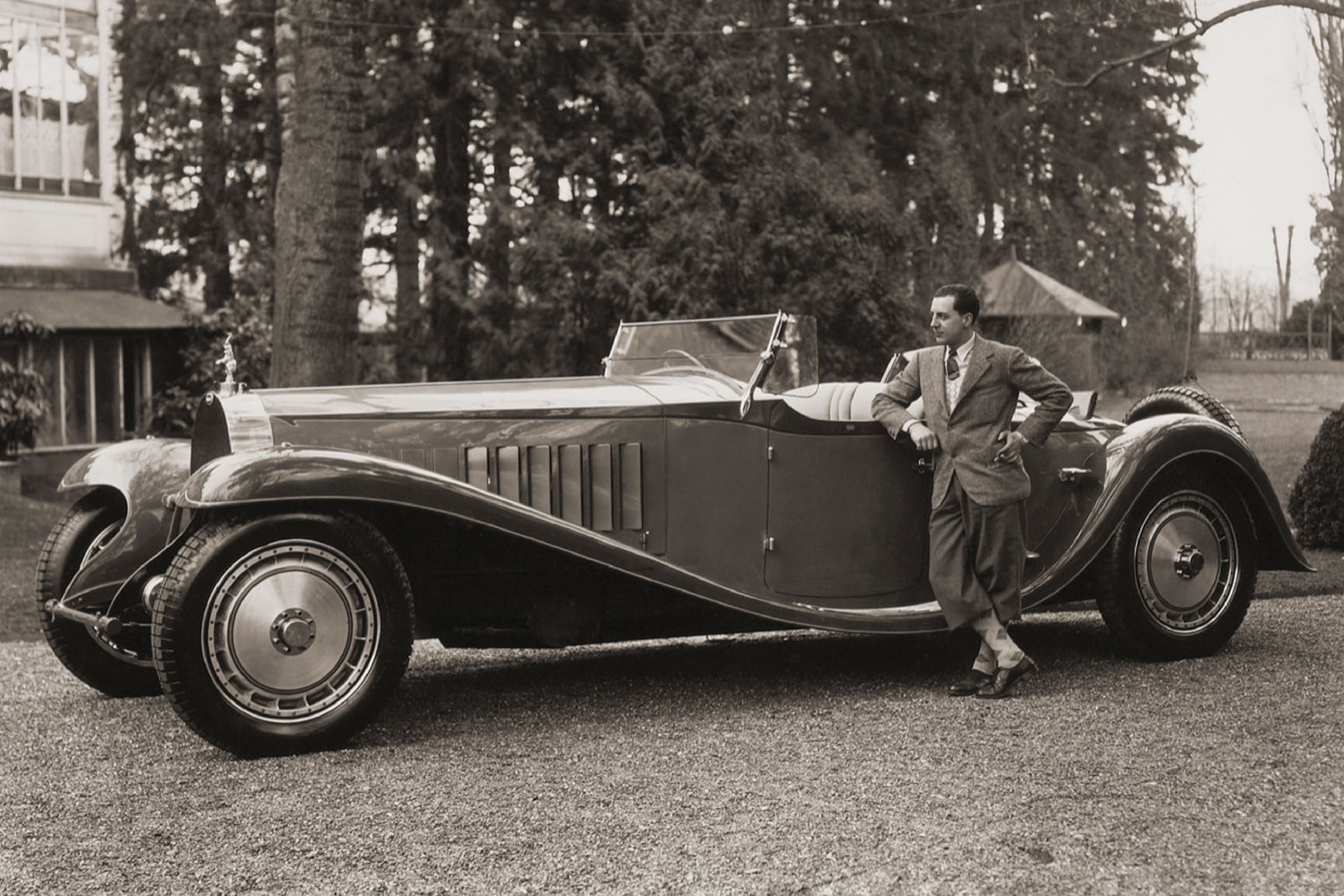
De joven, añadió ambiciosamente una nueva dimensión al Type 41 Royale que su padre presentó al mundo en 1926, diseñando el Type 41 Royale Roadster Esders, un elegante descapotable de dos plazas. Y los Esders marcaron el comienzo no solo del viaje de diseño de Jean, sino también el comienzo de la era del negocio de Jean Bugatti, guiada por sus hermosos diseños e ingeniosas creaciones. En 1936, Ettore pasó el relevo a su hijo, otorgándole toda la responsabilidad de la empresa a la tierna edad de 27 años.

Es una clara señal de su confianza y actitud que en el mismo año en que se le confió la conducción de Bugatti, Jean creó un automóvil reconocido hoy como uno de los más bellos de la historia: el Type 57 SC Atlantic. Este automóvil se convirtió rápidamente en un punto de referencia icónico que fue más allá del automóvil, tomando su lugar como parte de un movimiento de diseño colectivo francés que estaba a la vanguardia de la interpretación: Art Deco.

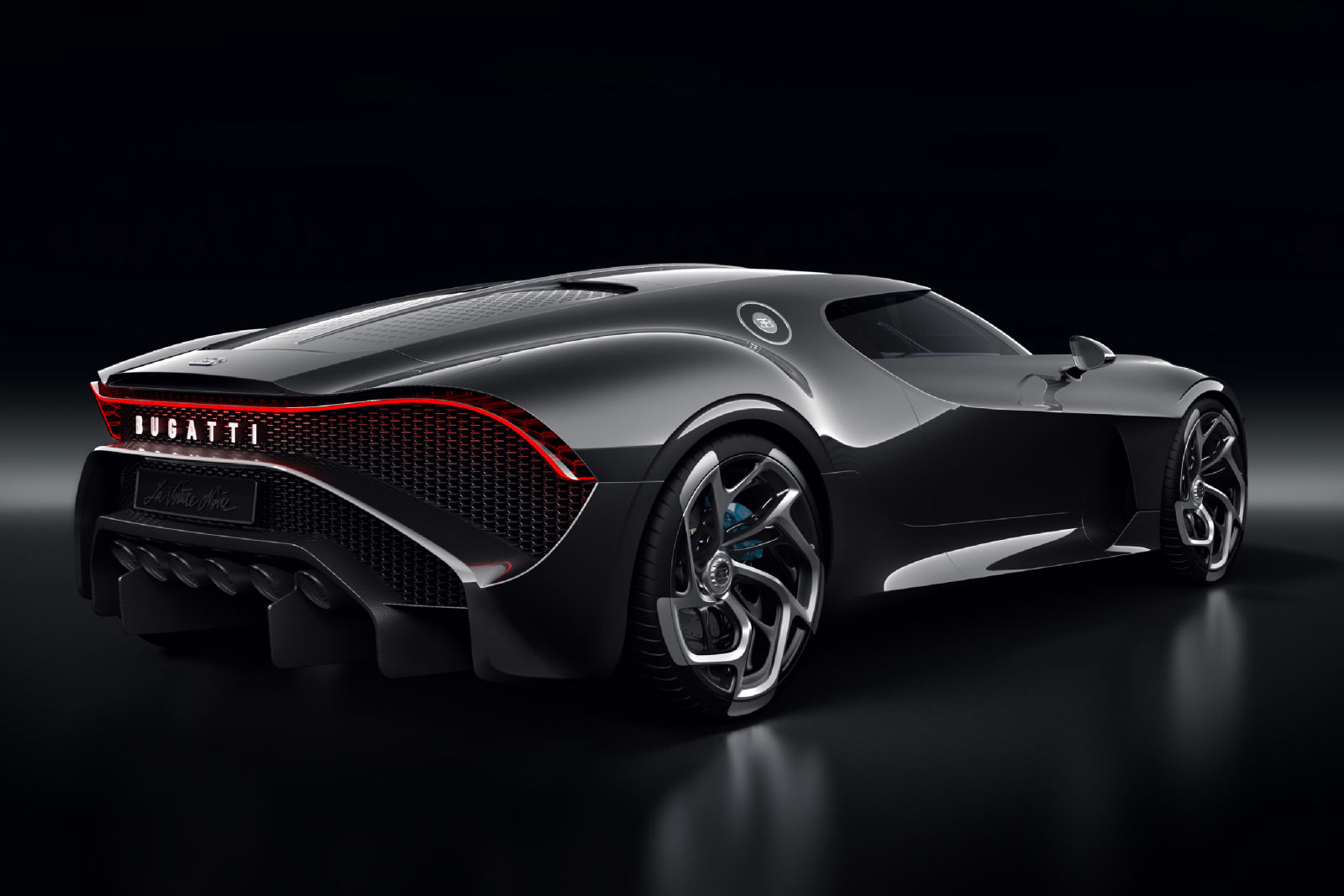
Su creación legendaria llegaría incluso a inspirar el exclusivo La Voiture Noire, un homenaje moderno al Type 57 SC Atlantic. El legado de Jean, sin embargo, se extendería mucho más allá de este auto. Su atrevido trabajo y su arte tienen ecos a lo largo de los siglos, influyendo en la forma y el estilo de Bugatti en la era moderna.

El aclamado diseño C-line de Jean, visible en modelos como el Type 50 y el Type 57, se ha mantenido a lo largo de las décadas, visible tanto en el Veyron como en el Chiron2, convirtiéndose en una parte fundamental de la identidad de diseño de Bugatti. El trabajo de diseño de Jean también se centró en el uso de proporciones perfectas, la acentuación audaz de la línea central y la caída de la cintura, que se utilizaron con gran efecto en el Atalante y el Atlantic. Su uso de colores bitono y la creación de formas bien formadas diseñadas para reflejar la luz de maneras interesantes se menciona constantemente en el mundo moderno del diseño de Bugatti. No hay duda de que la línea moderna actual de autos hiperdeportivos de Molsheim está profundamente conectada con las ideas visionarias de Jean.

Jascha Straub, ejecutivo de ventas y diseño de Bugatti, dijo: “Mientras trabajo en un automóvil con un cliente, mientras juego con nuevos colores, texturas y diseños, siempre tengo en mente el legado de Jean y su visión innovadora para la marca y su forma de tratar a los coches como esculturas y poner en marcha el movimiento incluso cuando el diseño es estático. Muchos de nuestros clientes valoran la herencia de nuestra marca y sus custodios visionarios, por lo que a menudo buscamos acentuar la línea central y crear combinaciones de colores que muestren mejor el enfoque de Jean”.

Si bien la luz de Jean brillaba intensamente, lamentablemente su arco estaba destinado a ser corto. El 11 de agosto de 1939, a la edad de 30 años, Jean murió trágicamente en un accidente automovilístico no lejos de la fábrica de Bugatti. Pero la luz de Jean siempre brillará sobre Bugatti, ayudando a guiar la marca a medida que se desarrolla el futuro. Incluso en la última creación de la compañía, un modelo Chiron único llamado Profilée, que sale a subasta en París el 1 de febrero, el carácter y el trabajo de Jean son evidentes, dando forma al solitario automotriz con un diseño elegante y atemporal.

5 February, 2023/by Carlos
https://www.myluxepoint.com/wp-content/uploads/2023/02/03-BUGATTI_Jean.jpg 1067 1600 Carlos https://www.myluxepoint.com/wp-content/uploads/2017/11/logo2v-1.png Carlos2023-02-05 20:55:422023-02-05 20:43:14JEAN BUGATTI: un visionario creativo adelantado a su tiempo
ROLLS-ROYCE 'THE SILVER SPECTRE' (CHASSIS 1601, 1910)
Aniversarios, Coches, Eléctrico, MOTOR

UN ESPÍRITU DE INNOVACIÓN AUDAZ: LA EXTRAORDINARIA HISTORIA DEL NOMBRE SPECTRE

UN ESPÍRITU DE INNOVACIÓN AUDAZ: LA EXTRAORDINARIA HISTORIA DEL NOMBRE SPECTRE

Elegir un nombre para un nuevo automóvil Rolls-Royce es un proceso crucial, muy considerado y minucioso, en el que la herencia única de la marca juega un papel central.

  • Rolls-Royce Motor Cars revela la historia del nombre elegido para su nuevo vehículo eléctrico a batería, Spectre, desde el inicio del proyecto
  • Primera vez que se da el nombre de Spectre a un Rolls‑Royce de producción en serie
  • Utilizado anteriormente solo para uno de los primeros autos de demostración y 10 chasis experimentales
  • Los modelos históricos de Spectre influyeron profundamente en los desarrollos clave de Rolls-Royce en el siglo XX.
  • Parte de un uso prolongado de nombres etéreos para encapsular el funcionamiento casi silencioso de Rolls-Royce.

“La llegada de nuestro primer automóvil eléctrico a batería marca el comienzo de una nueva y audaz era para Rolls-Royce. También es la culminación de un proceso largo y minucioso, en el que cada elemento en la creación de este automóvil emblemático se ha considerado hasta el más mínimo detalle, a lo largo de numerosas iteraciones. Pero un aspecto de este emblemático automóvil siempre ha sido seguro: desde el principio, determinamos que llevaría el nombre de Spectre, el primer Rolls-Royce de producción en serie en hacerlo. Fue una decisión inicialmente inspirada en nuestra herencia: los autos ‘Spectre’ siempre se asociaron con innovaciones técnicas revolucionarias, la búsqueda incesante de la perfección y una sensación de misterio y de otro mundo. El automóvil que ahora presentamos al mundo encarna todas esas cualidades, al tiempo que hace que el nombre de Spectre sea completamente propio”.
Torsten Müller-Ötvös, Director Ejecutivo, Rolls-Royce Motor Cars

Elegir un nombre para un nuevo automóvil Rolls-Royce es un proceso crucial, muy considerado y minucioso, en el que la herencia única de la marca juega un papel central. De la familia de productos actual, todos menos Cullinan (llamado así por el diamante en bruto con calidad de gema más grande jamás descubierto) tienen nombres históricos del pasado: Phantom, Ghost, Dawn y Wraith tienen homónimos que abarcan los 118 años de historia de Rolls-Royce.

Al nombrar su primer vehículo eléctrico a batería, Rolls-Royce buscó mantener y fortalecer estos importantes vínculos “genéticos”, al mismo tiempo que marcaba un cambio definitivo hacia un nuevo territorio definido por la innovación y el progreso. Como explica la siguiente breve historia, encontró la solución perfecta con Spectre.

¿LO QUE HAY EN UN NOMBRE?
Según un proverbio chino, “el comienzo de la sabiduría es llamar a las cosas por su nombre correcto”, lo que refleja nuestra necesidad innata de identificar y clasificar objetos como una forma de dar sentido al universo. Esto es completamente obvio en relación con las personas, por supuesto; y para nuestros primeros antepasados, nombrar objetos era una técnica de supervivencia crucial. Pero, ¿por qué nombrar un objeto inanimado como un automóvil?

La práctica es tan antigua como el propio automóvil. Antes de la Primera Guerra Mundial, el transporte por carretera todavía estaba dominado por los caballos y los vehículos tirados por caballos y aquellos que podían permitirse un Rolls-Royce sin duda también habrían tenido y usado caballos. Por lo tanto, habría sido completamente natural y lógico para ellos nombrar su nuevo automóvil, tal como lo habrían hecho con su caballo favorito.

El potencial de mercadeo de este rasgo humano fundamental fue inmediatamente evidente para la aguda mente empresarial de Claude Johnson, el director gerente comercial de Rolls-Royce. Entre 1905 y 1913 ideó personalmente, a menudo consultando con el cliente, nombres individuales para casi 50 coches que producía la empresa, el más famoso de los cuales fue “The Silver Ghost”, creado para el Salón del Automóvil de Londres de 1907. La pintura plateada y el brillo plateado del automóvil impresionaron tanto a los periodistas automovilísticos como al público que se adoptó “Silver Ghost” como el nombre oficial del modelo para todos los modelos 40/50 H.P. Chasis construido hasta 1925, cuando se introdujo el New Phantom.

Johnson seguramente estaría satisfecho de que estos nombres etéreos y de otro mundo, destinados a capturar el funcionamiento casi silencioso del automóvil, todavía adornen los modelos Rolls-Royce, haciendo referencia a esta misma calidad más de un siglo después.

En agosto de 1910, la marca construyó Chassis 1601, que Johnson usó como automóvil de prueba o de demostración. Johnson lo llamó ‘The Silver Spectre’, el primer uso registrado del nombre Spectre en el archivo de la compañía.

El chasis 1601 se vendió a la Oficina de Guerra en 1915 y su último paradero conocido fue en una firma de ingenieros de motores en Sheffield en 1933. A lo largo de su vida útil, este automóvil fue reconstruido al menos tres veces. Esto era típico durante este período, a menudo para adaptarse a los gustos del nuevo propietario si el automóvil había cambiado de manos y, a veces, por razones más prosaicas: las primeras carrocerías empleaban materiales y métodos que, si bien se adaptaban perfectamente a los vehículos tirados por caballos que iban a 10 mph, rápidamente sucumbieron a las tensiones de viajar a 50 mph o más en el uso automotriz. Si bien el destino final del Chassis 1601 sigue sin estar claro, una cosa es segura: ningún Rolls-Royce volvería a llevar el nombre de Spectre durante más de 20 años.

ROLLS-ROYCE 'THE SILVER SPECTRE' (CHASSIS 1601, 1910)

ROLLS-ROYCE ‘THE SILVER SPECTRE’ (CHASSIS 1601, 1910)

ROLLS-ROYCE ‘THE SILVER SPECTRE’ (CHASSIS 1601, 1910)

LOS COCHES EXPERIMENTALES PHANTOM III ‘SPECTRE’ (1934-7)
Al principio de su historia, Rolls-Royce estableció una convención de nomenclatura especial para sus autos experimentales, dándoles números de chasis con el sufijo ‘EX’ convenientemente tentador. Comenzando con 1EX en 1919 y continuando hasta 45EX en 1957, estos modelos de desarrollo de ‘gran potencia’ se sometieron a pruebas de funcionamiento de hasta 15,000 millas, a menudo cubriendo 800 millas por día en las implacables carreteras de Francia. También registraron miles de millas adicionales en el intenso tráfico de Londres y a través del campo británico. La designación EX continúa en la era moderna, siendo el último ejemplo el vehículo de visión eléctrica 103EX, presentado en 2016.

En 1930, Sir Henry Royce comenzó a desarrollar un nuevo motor V12 para un chasis completamente nuevo con suspensión delantera independiente. Sin embargo, su muerte en 1933 significó que nunca vio el proyecto hasta su finalización. El nuevo automóvil, 30EX, finalmente estuvo listo para la prueba en carretera en noviembre de 1934.

Al igual que con todas las innovaciones, mantener el secreto en torno al nuevo motor V12 fue comercialmente crítico. Por lo tanto, junto con su número de chasis, al 30EX también se le asignó un nombre en clave: ‘Spectre’. Le seguirían otros nueve coches EX, con el nombre en clave ‘Spectre’, antes de que el coche entrara en producción como Phantom III en 1936. De estos chasis de desarrollo, siete se reutilizarían más tarde para venderlos a clientes privados, que presumiblemente nunca supieron de la versión anterior de su coche. operaciones encubiertas. Fueron las pruebas y el refinamiento llevados a cabo con estos autos “Spectre” lo que permitió al Phantom III mantener la reputación de la marca, establecida por primera vez por Silver Ghost en 1907, como “El mejor auto del mundo”.

ROLLS-ROYCE 30EX, COCHE EXPERIMENTAL PHANTOM III ‘SPECTRE’ (1934-7)

ROLLS-ROYCE ESPECTRO (2023-)
Al igual que los autos EX del pasado, el Spectre actual representa un cambio audaz y enormemente significativo, tanto técnica como filosóficamente, para Rolls-Royce. Como el primer Rolls-Royce totalmente eléctrico, marca una evolución en la tecnología del sistema de propulsión, posiblemente incluso mayor que la introducción del primer motor V12 de la marca: la configuración, que después de casi 80 años, todavía se usa en todos los modelos actuales de Rolls-Royce.

El propio nombre de Spectre se encuentra junto a Ghost, Phantom y Wraith como una evocación del silencio, el refinamiento y el misterio; de algo imaginado y onírico que existe fuera de los parámetros normales y de la experiencia. Y aunque anteriormente se ha dado a los coches individuales y experimentales, ningún Rolls-Royce de producción en serie ha llevado la placa de identificación de Spectre hasta ahora. Este encuentro de innovación y continuidad convierte a Spectre en la elección de nombre perfecta para un automóvil de una importancia tan singular e histórica.

Torsten Müller-Ötvös, Director Ejecutivo de Rolls-Royce Motor Cars, dice: “Existe una agradable simetría entre los Espectros del pasado y la encarnación actual. En nuestra historia, Spectre es un nombre sinónimo de innovación y desarrollo técnico, y automóviles Rolls-Royce que van a cambiar el mundo. Aunque separados por casi un siglo, tanto los Espectros de la década de 1930 como los nuestros son los campos de prueba para la tecnología de propulsión que dará forma a nuestros productos y las experiencias de los clientes en las próximas décadas”.

12 November, 2022/by Carlos
https://www.myluxepoint.com/wp-content/uploads/2022/11/P90483288_highRes_rolls-royce-the-silv.jpg 1200 1200 Carlos https://www.myluxepoint.com/wp-content/uploads/2017/11/logo2v-1.png Carlos2022-11-12 11:18:432023-01-30 13:10:19UN ESPÍRITU DE INNOVACIÓN AUDAZ: LA EXTRAORDINARIA HISTORIA DEL NOMBRE SPECTRE
Page 1 of 41234

MAGAZINE LUXURY 2023 ENGLISH

Luxury magazine 2023 Nº15

Categories

[the_ad_group id=”74172″]

[the_ad_group id=”74171″]

Tags

2020 2021 2022 2023 Art Barcelona BMW BOCA DO LOBO Brand Finance car cars CEO Chopard colección Collection Concept design design Engel & Völkers españa home lujo luxury luxury luxury luxury luxury luxury luxury luxury luxury luxury luxury Madrid NEW Omega Porsche Relojes Sotheby's timepiece timepieces watch watches watches watches

Site Quality

 YANDEX

Индекс качества сайта

Google

<script>” title=”<script>

[the_ad_group id=”74172″]

Calendar

November 2026
M T W T F S S
 1
2345678
9101112131415
16171819202122
23242526272829
30  
« Apr    

Luxury News & Magazines - MyLuxePoint is proudly powered by WordPress